
Single-cell Immune Response targeted Sequencing
Single-cell Immune Response targeted-seq
The immune response involves the activation and interaction of various immune cells to eliminate or suppress the growth of abnormal cells. Immune cells, including lymphocytes, macrophages, and natural killer cells, protect the body by recognizing and destroying pathogens or tumor cells. Immune-related genes encode proteins critical for immune functions, such as antibody production, cell signaling, and immune regulation.
EPIBIOTEK® introduces its single-cell immune response targeted sequencing service. This technology, based on multiplex PCR amplification, captures up to 399 genes, providing fresh, precise sequencing data at reduced costs. It enables accurate profiling of immune cell subpopulations and immune responses, ideal for cancer immunotherapy, immune-related disease research, and biomarker discovery.
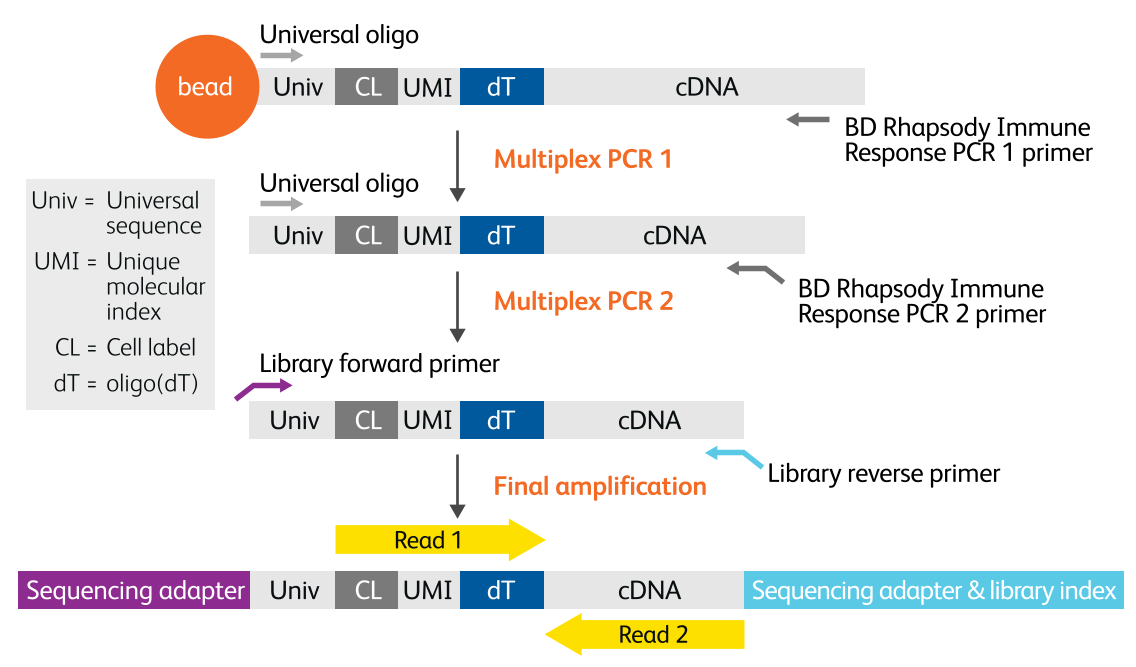
Library preparation process (Image from BD Biosciences)
Applications
1. Immune monitoring: Assess immune system changes in disease states, such as infection, cancer, or autoimmune diseases.
2. Drug response evaluation: Evaluate patient response to immune therapies, supporting personalized treatment plans.
3. Basic research: Investigate immune system mechanisms, including immune cell development, function, and interactions.
4. Vaccine development: Evaluate immune response effectiveness and longevity in vaccine research.
5. Disease diagnosis: Aid in diagnosis and prognosis by analyzing immune cell characteristics and functions.
Sample Requirements
Whole blood, frozen PBMCs, or isolated immune cells from tissue
Cells
Diameter ≤ 50 μm, ≥ 5×10^5 cells/sample, concentration ≥ 1000 cells/μL, viability ≥ 80%
Tissue
≥ 0.1 g/sample
Bioinformatic Analysis
Basic analysis
1. Cell tag processing
2. Sequence alignment
3. UMI counting
4. Low-quality cell filtering
5. Principal component analysis (PCA)
6. Unsupervised clustering
7. Reclassification of subpopulations
8. Differential expression analysis
9. Cell type annotation
Advanced analysis
1. Intercellular interaction analysis
2. Immune gene regulatory network analysis
3. Cell differentiation trajectory analysis
4. KEGG pathway enrichment
5. GO functional enrichment
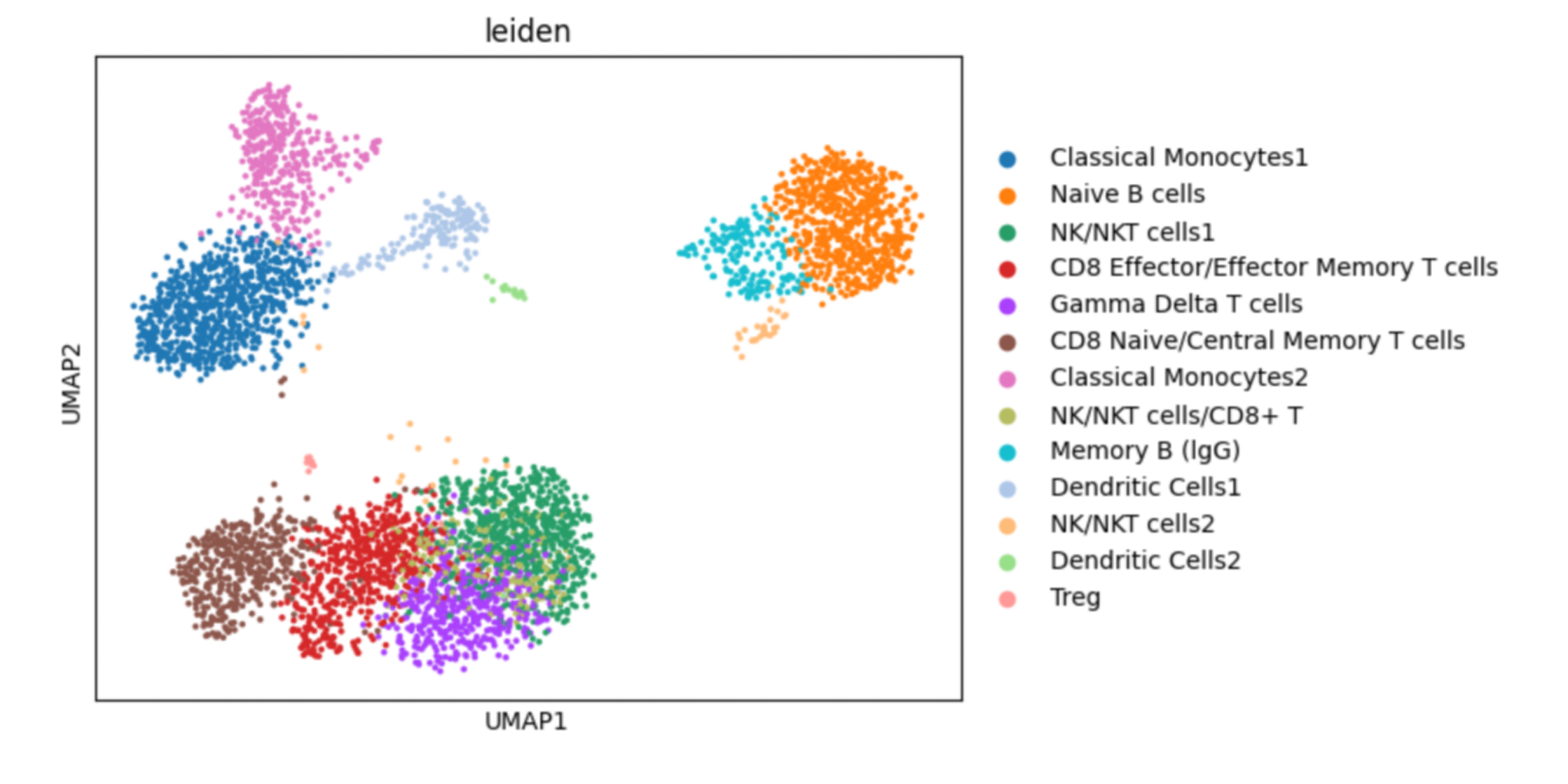
UMAP of cell type annotation
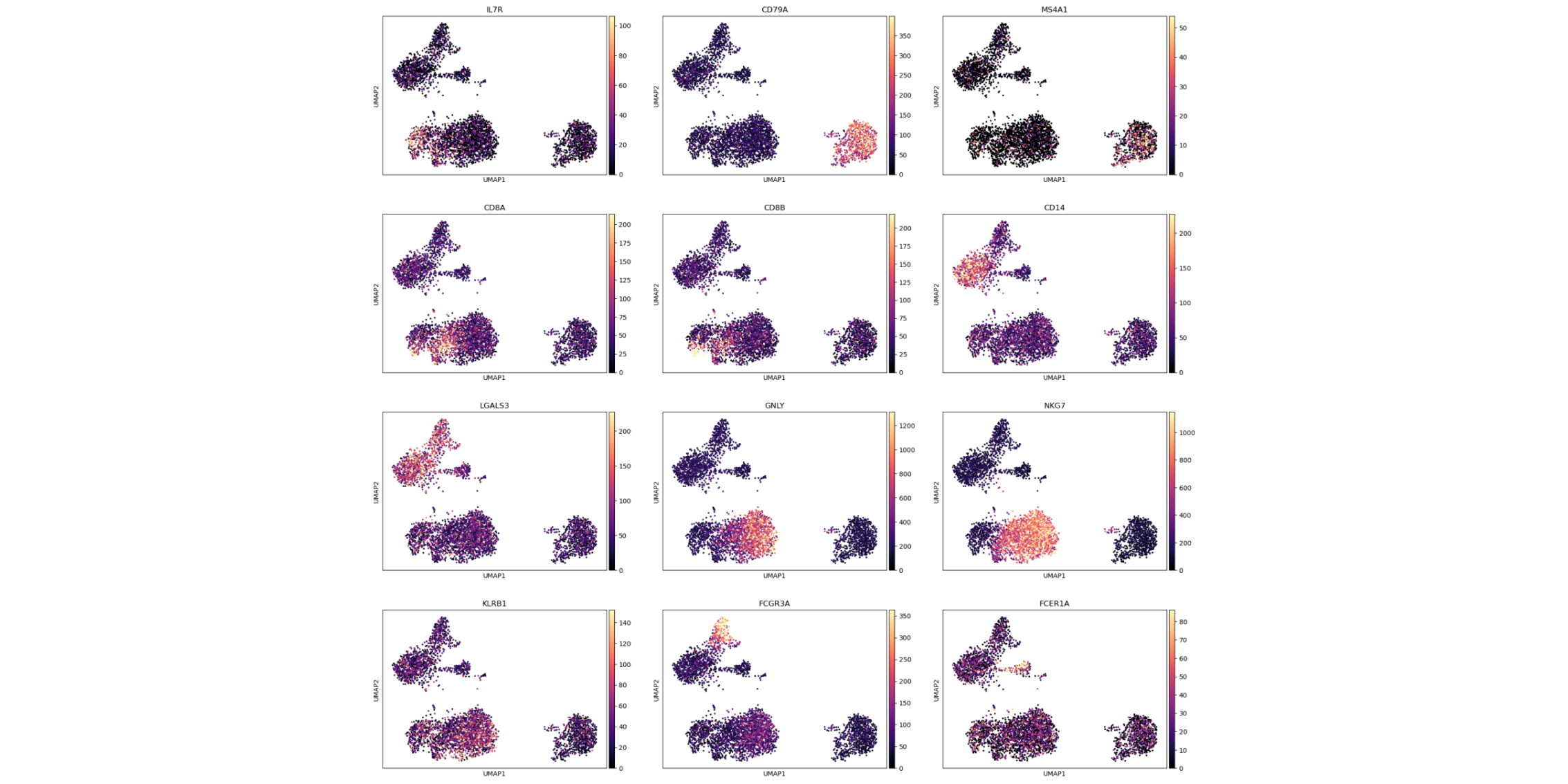
UMAP of gene expression
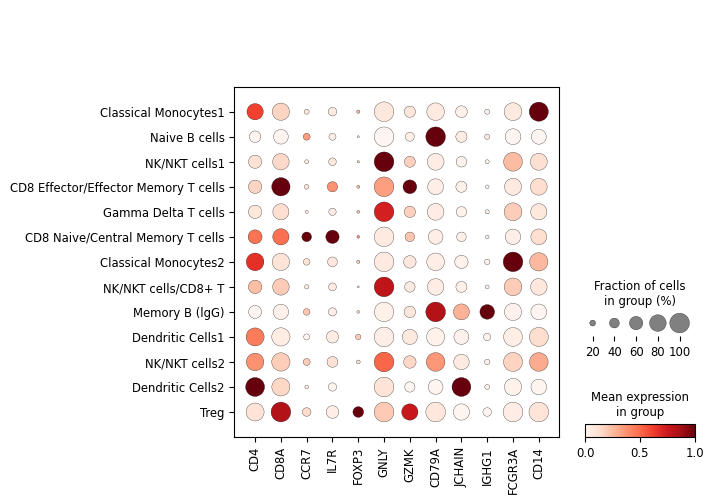
Marker gene bubble plot
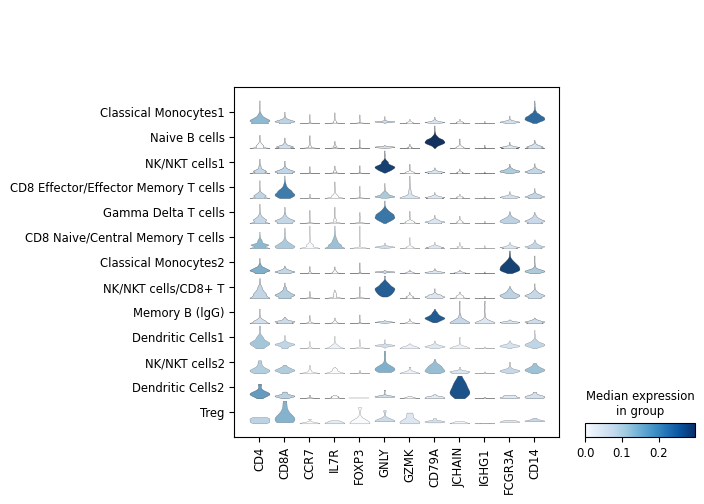
Marker gene violin plot