
scHi-C
scHi-C
Single-cell 3D genome sequencing
Three-dimensional (3D) genome architecture is critical for gene expression regulation, cell fate decisions, and overall cellular function. Single-cell 3D genome sequencing (scHi-C) enables high-resolution mapping of chromatin topology at the single-cell level, uncovering cell-type–specific structural features and facilitating the reconstruction of gene regulatory networks. scHi-C utilizes a droplet-based platform with biotin labeling, Tn5 tagmentation, and streptavidin magnetic-bead enrichment to efficiently capture intra-nuclear 3D chromatin contacts from individual cells. This method allows profiling of chromatin architecture from tens of thousands of single cells in a single experiment, significantly reducing time and cost.
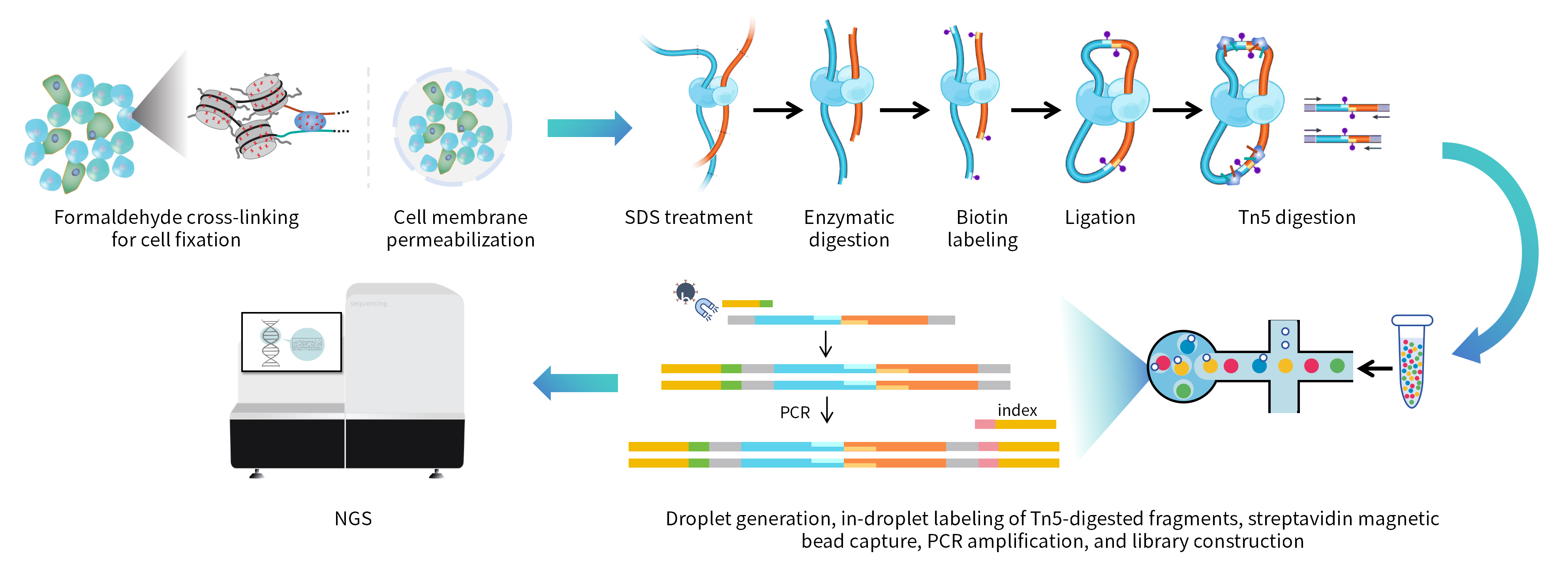
Workflow
Applications
1. Analyze chromatin 3D structure at single-cell resolution, revealing cell-type heterogeneity
2. Track chromatin remodeling during differentiation to infer lineage trajectories
3. Identify long-range regulatory interactions impacting gene expression, with applications in tumor heterogeneity and drug target discovery
Sample Requirements
1. Sample type: cells or tissue-derived single-cell suspensions (contact us for detailed criteria)
2. Species: human, mouse, and rat only
Bioinformatic Analysis
Basic analysis
1. Cell number estimation
2. Genome alignment
3. Hi-C global QC metrics
4. Contact count calculation
5. Low-quality cell filtering
6. Normalization
7. PCA for dimensionality reduction
8. t-SNE or UMAP for embedding
9. Cell cluster identification
Advanced analysis
1. Visualization of Hi-C contact matrices
2. Genome-wide interaction heatmaps by cluster
3. A/B compartment analysis per cluster
4. TAD domain identification and analysis
5. Loop interaction detection by cluster
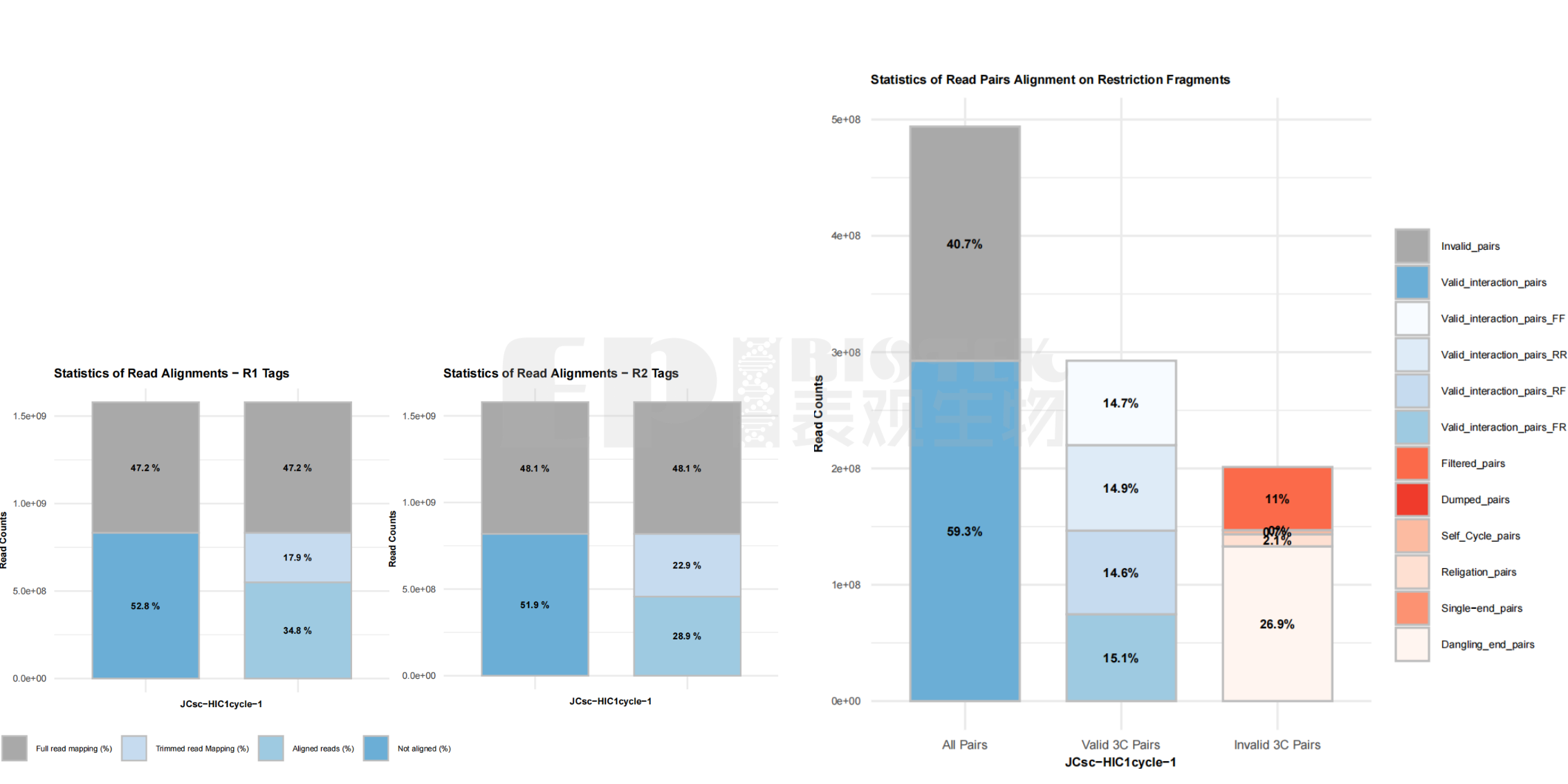
QC
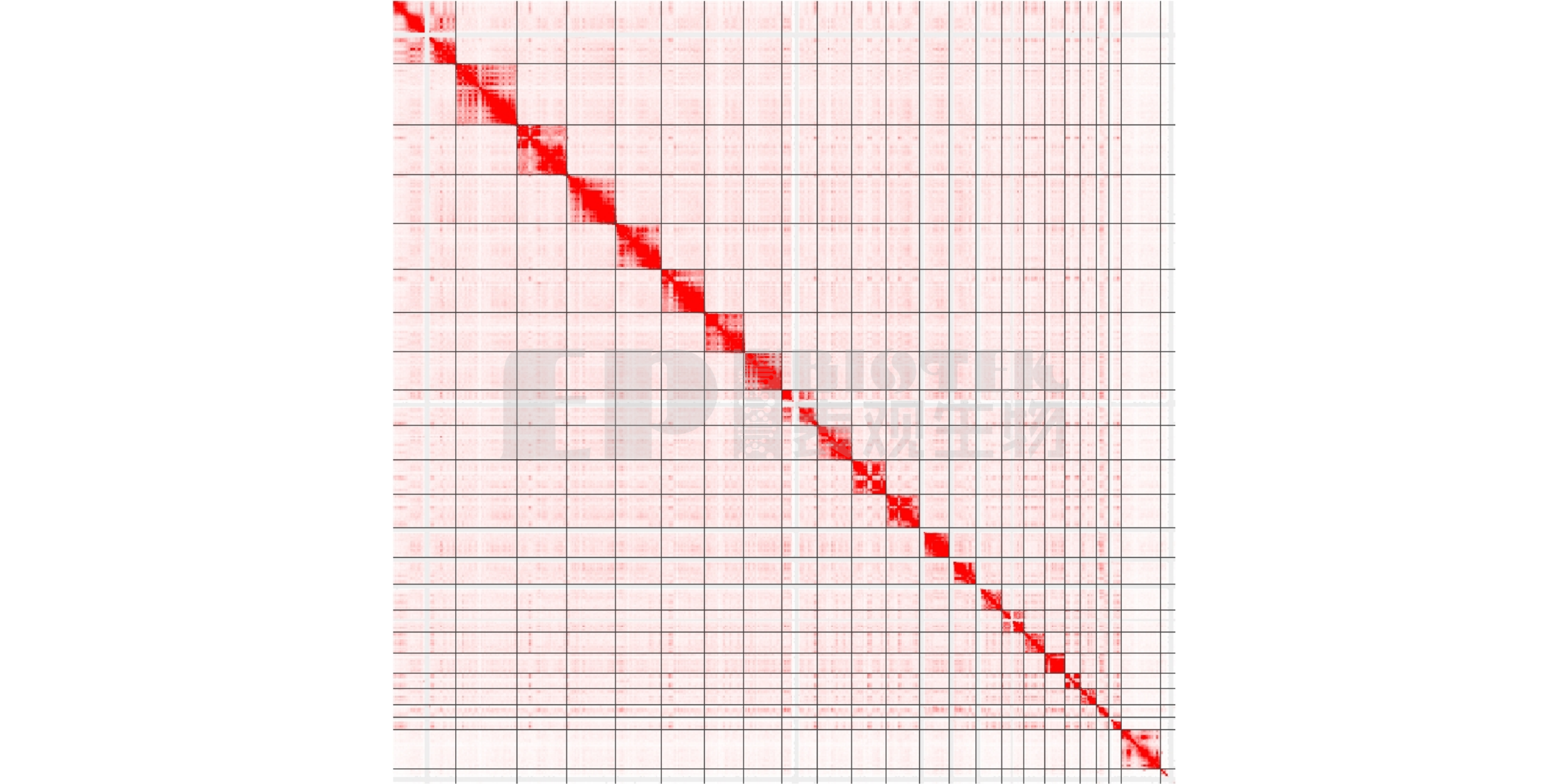
Interaction matrix diagram
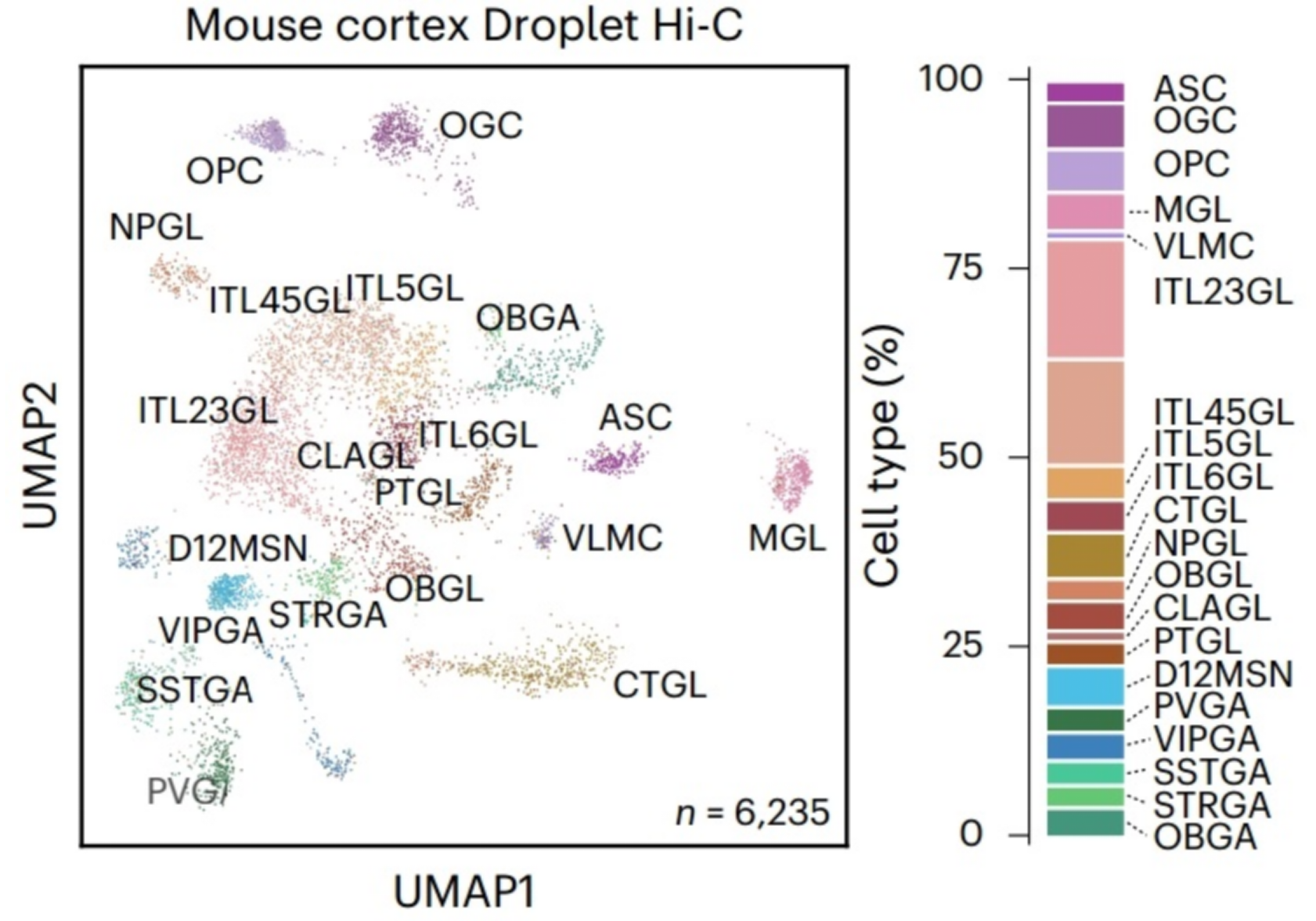
UMAP plot¹
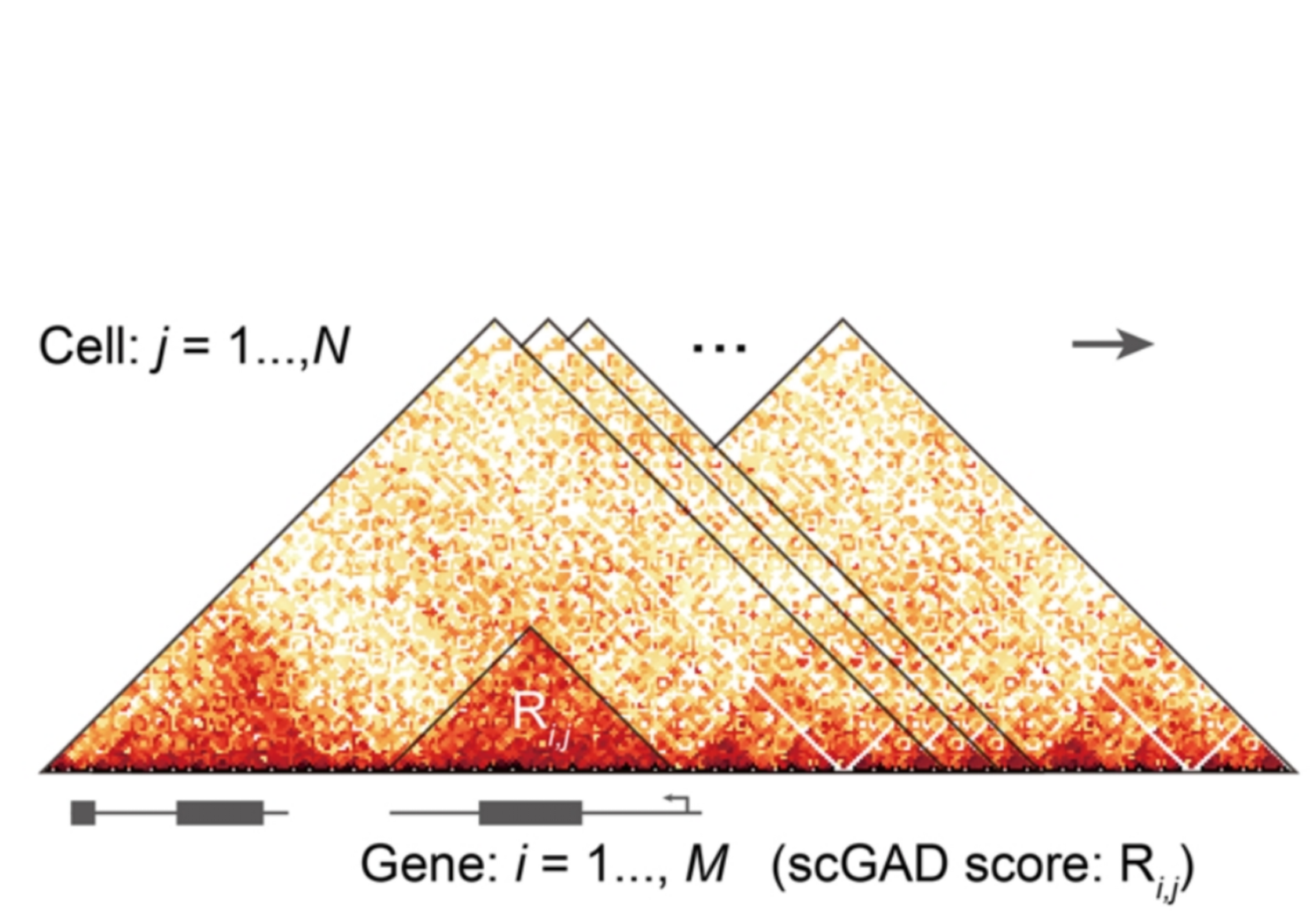
Identification and analysis of TAD domains¹
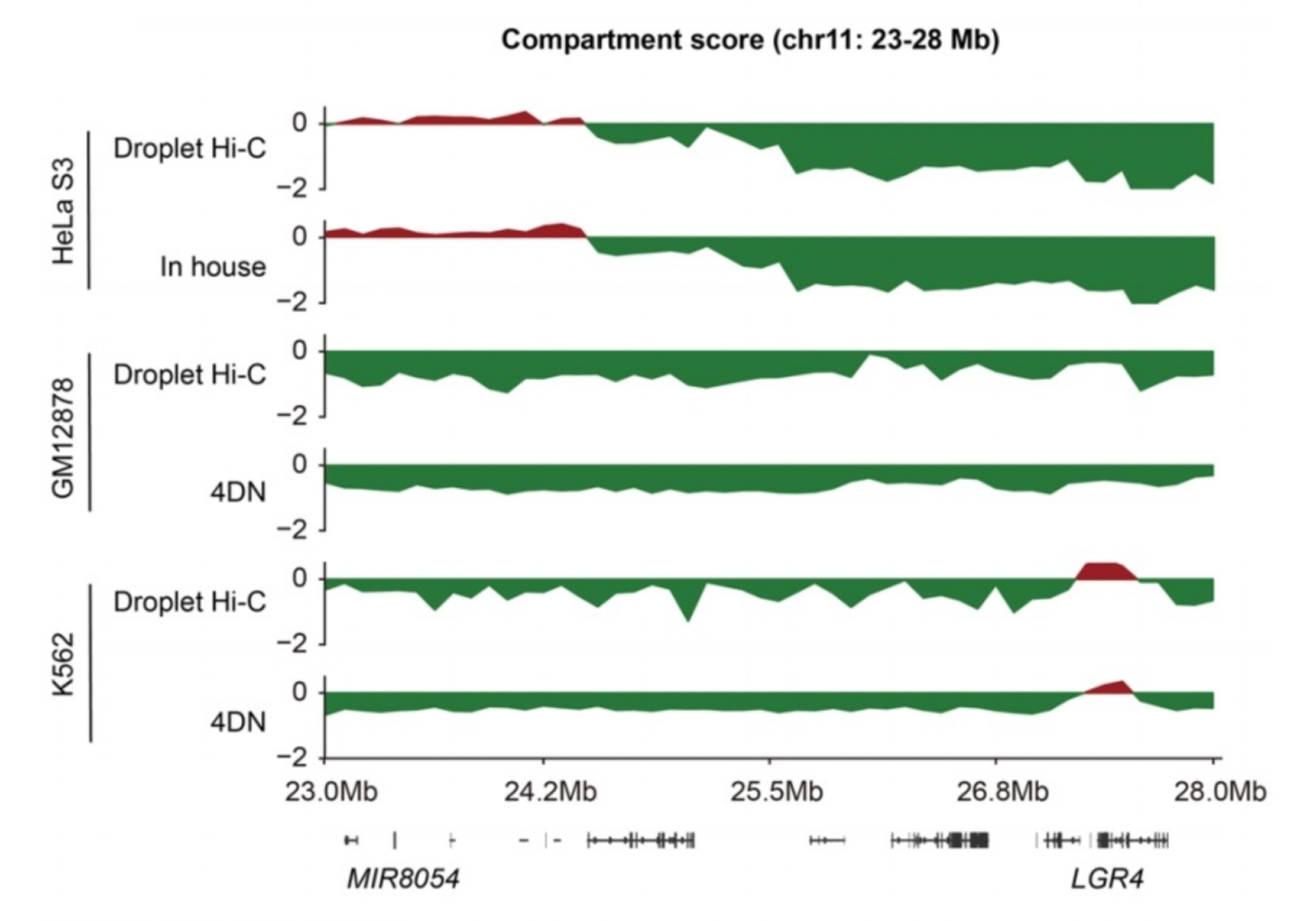
A/B compartments¹
References
[1] Chang L, Xie Y, Taylor B, et al. Droplet Hi-C enables scalable, single-cell profiling of chromatin architecture in heterogeneous tissues. Nat Biotechnol. Published online October 18, 2024.